Ho Chi Minh City aims to be the "touchpoint" of international tourism.
Ho Chi Minh City is transforming into a digital tourism center, offering diverse and sustainable experiences, aiming to welcome 11 million international tourists in 2026.
Modern tourism is no longer a race in terms of quantity, but a race in understanding.
Therefore, after improving the organizational structure, the Ho Chi Minh City tourism sector has identified data and experiences as new resources.
At the same time, city tourism cannot only promote what is available, but must aim to provide what customers need.
Experience ecosystem
In 2026, Vietnam's tourism industry aims to welcome 25 million international visitors and 150 million domestic visitors, with Ho Chi Minh City striving to achieve 11 million international visitors and 50 million domestic visitors.
The city is entering a new stage of development, so tourism is not just a single economic sector but an experience ecosystem.
However, the broader tourism space, richer resources, and more diverse cooperation opportunities also come with the need for the city's tourism industry to have a broader vision and closer coordination.
In this context, the industry has entered a new phase with the determination to develop products with distinctive characteristics, pioneering in digital transformation...
Survey results in the first months of this year show that the prominent trend of tourism in Ho Chi Minh City is the development of integrated product packages, combining accommodation with food and entertainment, helping to enhance the experience and provide convenience for tourists in choosing short trips, combining urban tourism with beach relaxation.
In addition, the tourism trend shows a two-way nature. The city is both a destination that attracts tourists and a transit center for a large number of tourists traveling to many neighboring areas.
Based on in-depth analysis of the "emotional journey" of tourists, understanding touchpoints, some experts evaluate that the tourism industry of Ho Chi Minh City has shown active efforts to move away from fragmented service thinking, and shift towards systematic and maximum personalization thinking.
Specifically, technological solutions have been and are helping the industry "soften" dry data into vivid heritage stories. Through digital map platforms, smart applications, technology has gradually played the role of a "cultural ambassador," helping tourists, especially international tourists, easily access the cultural depth and unique local cuisine of the city.
Today's tourism is no longer limited by physical geographical boundaries, so it promotes the application of open technology. The tourism industry can create a "digital tourism space," where cultural identities are preserved and transmitted through the language of the future.
According to Mr. Nguyen Vu Quy Phong, Head of the Marketing Department for Mobility, Delivery, and New Market Development at Grab Vietnam, during the process of developing Ho Chi Minh City into a leading financial, commercial, service, and tourism center in Southeast Asia, expanding urban development space combined with improving infrastructure quality, tourism services, and building a smart tourism ecosystem needs to be identified as one of the key tasks. This is because it contributes to ensuring sustainable growth and enhancing the competitiveness of the destination.
Dr. Khoa Tang, a senior lecturer at RMIT University, said that digital transformation plays an important role as a supporting tool in managing and organizing tourism experiences to expand the development space of Ho Chi Minh City's tourism in depth, not only relying on the expansion of geographical space or investment in physical infrastructure. Therefore, digital maps not only serve the function of guidance, but also provide comprehensive information about destinations, services, and cultural contexts, helping tourists to actively choose and arrange itineraries according to their needs, thereby improving the efficiency of destination management, enhancing tourist experience, and promoting sustainable tourism development in Ho Chi Minh City.
Regarding digital transformation in the tourism industry, enterprises are the ones providing "technological weapons" to digitize cultural heritage, expand the tourism space on the digital environment, and turn each tourist's trip into an interactive and fascinating journey.
Chairwoman of the Ho Chi Minh City Tourism Association, Nguyen Thi Khanh emphasized that the Association continues to strive to accompany businesses in building and developing a smart service chain linkage model between transportation, accommodation, food, and sightseeing.
The fact that innovative units actively propose integrated solutions and personalize real-time experiences is the key to optimizing added value for tourists.
Support from special resolutions
After the Resolution No. 62/2025/NQ-HĐND stipulating "Policy on supporting the attraction of tourist groups visiting Ho Chi Minh City to attend conferences, seminars, exhibitions combined with tourism visits" (Resolution 62) of the People's Council of Ho Chi Minh City passed on December 10, 2025, the city has begun to welcome large-scale MICE (Meetings, Incentives, Conferences, Exhibitions) tourist groups. This is a positive signal, showing both the initial effectiveness of the attraction policy and confirming the professional organization and service capacity of Ho Chi Minh City's tourism ecosystem for the international conference and experience segment.
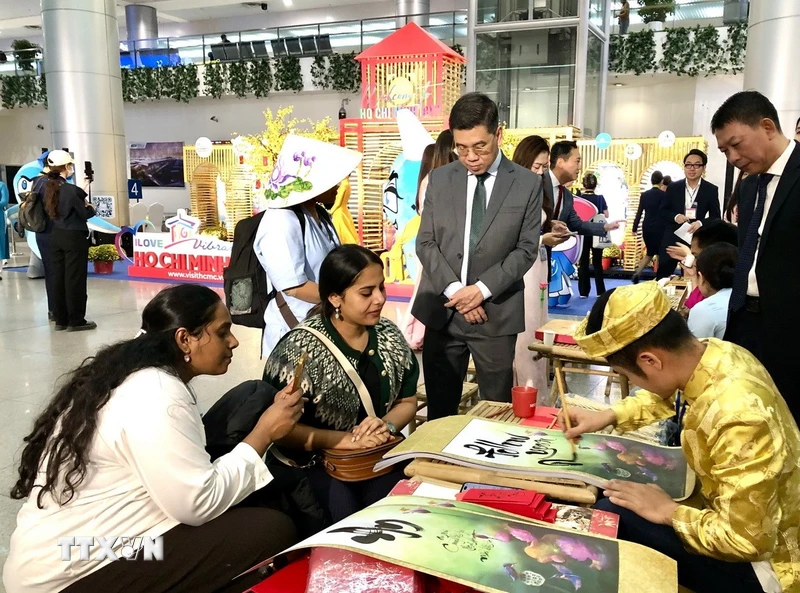
Specifically, from May 1-9, Ho Chi Minh City welcomed a large international group of 890 members from Allianz Indonesia Insurance Company, organized by Viking Joint Stock Tourism Company.
The majority of the guests come from the Indonesian market, participate in various activities throughout the city, and stay at the Kim Do, Huong Sen, Palace, Mường Thanh hotel networks...
The City Tourism Department has coordinated with relevant units to organize activities welcoming the delegation at the airport, introducing experience products...
Mr. Le Truong Hien Hoa, Deputy Director of the Ho Chi Minh City Department of Tourism, said that entering 2026, the tourism industry of the city has set a development plan for MICE tourism by 2030, with a structure centered around four key pillars.
First, in the field of promotion, the industry focuses on "high-spending" markets such as Northeast Asia, Southeast Asia, and Europe through international MICE fairs and forums.
Next, in the field of specialized products, the city's tourism industry supports enterprises in building comprehensive service packages "accommodation, conferences, sightseeing, shopping" optimized according to the needs of each market.
The tourism industry in Ho Chi Minh City is also digitalizing and standardizing human resources, applying technology in customer management and event organization to enhance international competitiveness.
In particular, the industry is building a coordinated ecosystem by strengthening close links between travel agencies, hotels, convention centers, and transportation units to create a perfect service supply chain.
While developing MICE tourism, Ho Chi Minh City has also leveraged regional cooperation, forming a diverse chain of destinations including urban, coastal, ecological, and cultural areas, leading to a significant increase in the number of tourists, especially domestic ones. This is reflected in the fact that, besides traditional tourism programs, tourism and travel companies have actively innovated their products with thematic approaches, enhancing cultural and historical experiences, combining high-quality services with diverse sightseeing methods.
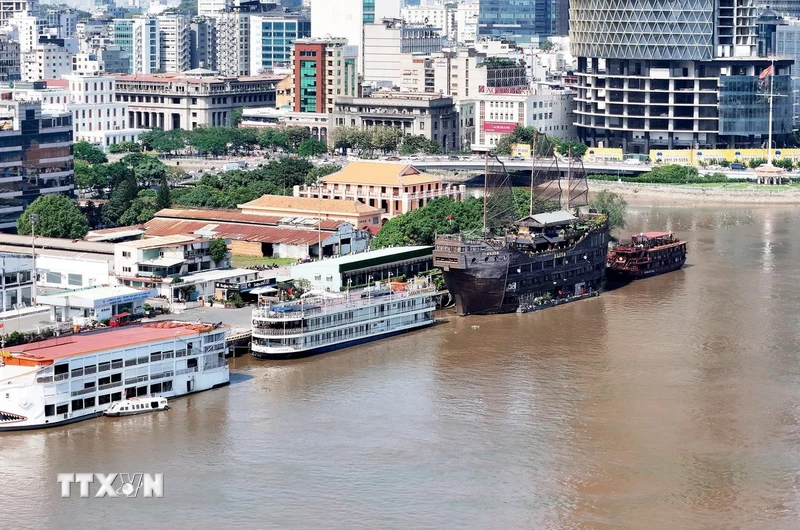
Typically, Ho Chi Minh City tourism and travel enterprises contribute to enriching the product ecosystem and enhancing the attractiveness of the destination. Unique tourism products such as "Viewing the city from above" by helicopter and sightseeing on a five-star cruise have become an integrated water-air experience, elevating the image of this modern, distinctive urban destination.
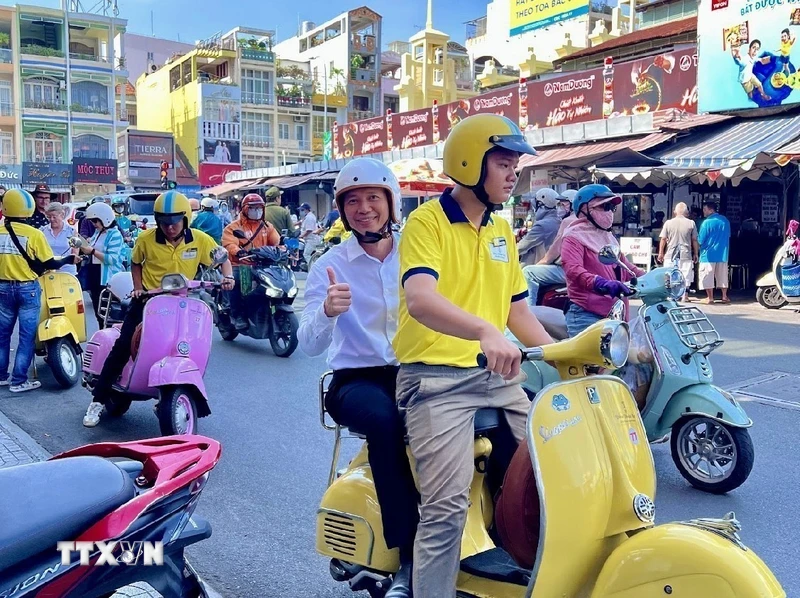
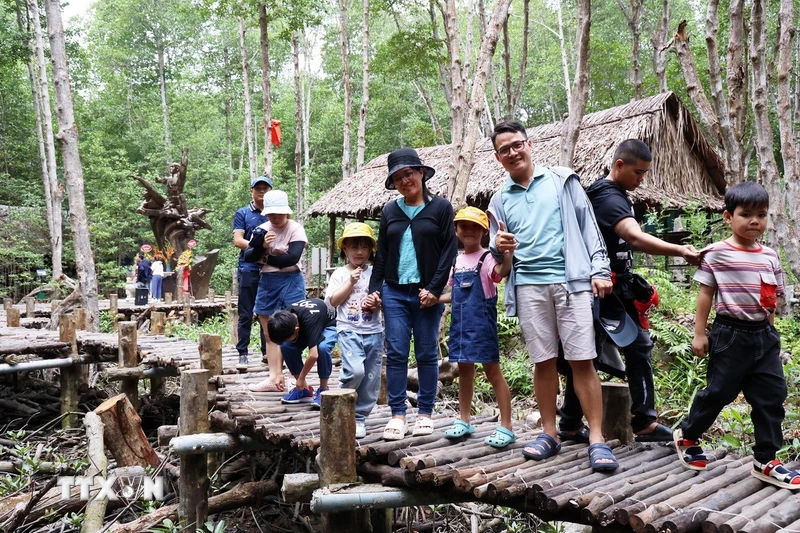
There are mangrove tour programs in Can Gio by high-speed boat, night life and Ho Chi Minh City food tour by motorbike, Ho Chi Minh City cultural and natural vacation, ferry crossing journey, exploration of Rung Sac, Suoi Tien-Van Thanh metro experience, Saigon run-row- chill...
Currently, Ho Chi Minh City still has a large-scale accommodation system, with ample supply and proactive preparation, ensuring the ability to meet tourists' needs well, without any shortage of rooms, even when the tourism market is in the high season.
Accommodation facilities have actively upgraded infrastructure, arranged suitable staff, and developed flexible service plans according to each customer segment.
Many localities in Ho Chi Minh City have and are leveraging the role of the community in tourism activities with effective results; at the same time, they are mobilizing residents to participate in providing tourism services, preserving the environment, and building a friendly, civilized destination image.
Some community tourism, agricultural tourism models, and experiences in suburban areas have initially attracted the attention of tourists, especially family groups and young travelers.
According to Mr. Hoa, these results confirm the sustainable appeal of Ho Chi Minh City as a destination, with MICE tourism playing a key "frontline" role in promoting recovery, growth, and positioning Ho Chi Minh City on the global tourism map.
With a solid foundation from the early months of 2026 and a clear strategic orientation, the tourism industry of the City expects to continue breaking through, developing sustainably, and integrating more deeply in the coming time.
Read the original article atthis.

Post a Comment for "Ho Chi Minh City aims to be the "touchpoint" of international tourism."
Post a Comment